Understanding the Importance of Public Green Spaces
Public green spaces play a vital role in enhancing urban environments. This article explores their significance and the tangible benefits they offer to communities across the United States.
The Role of Green Spaces in Urban Areas
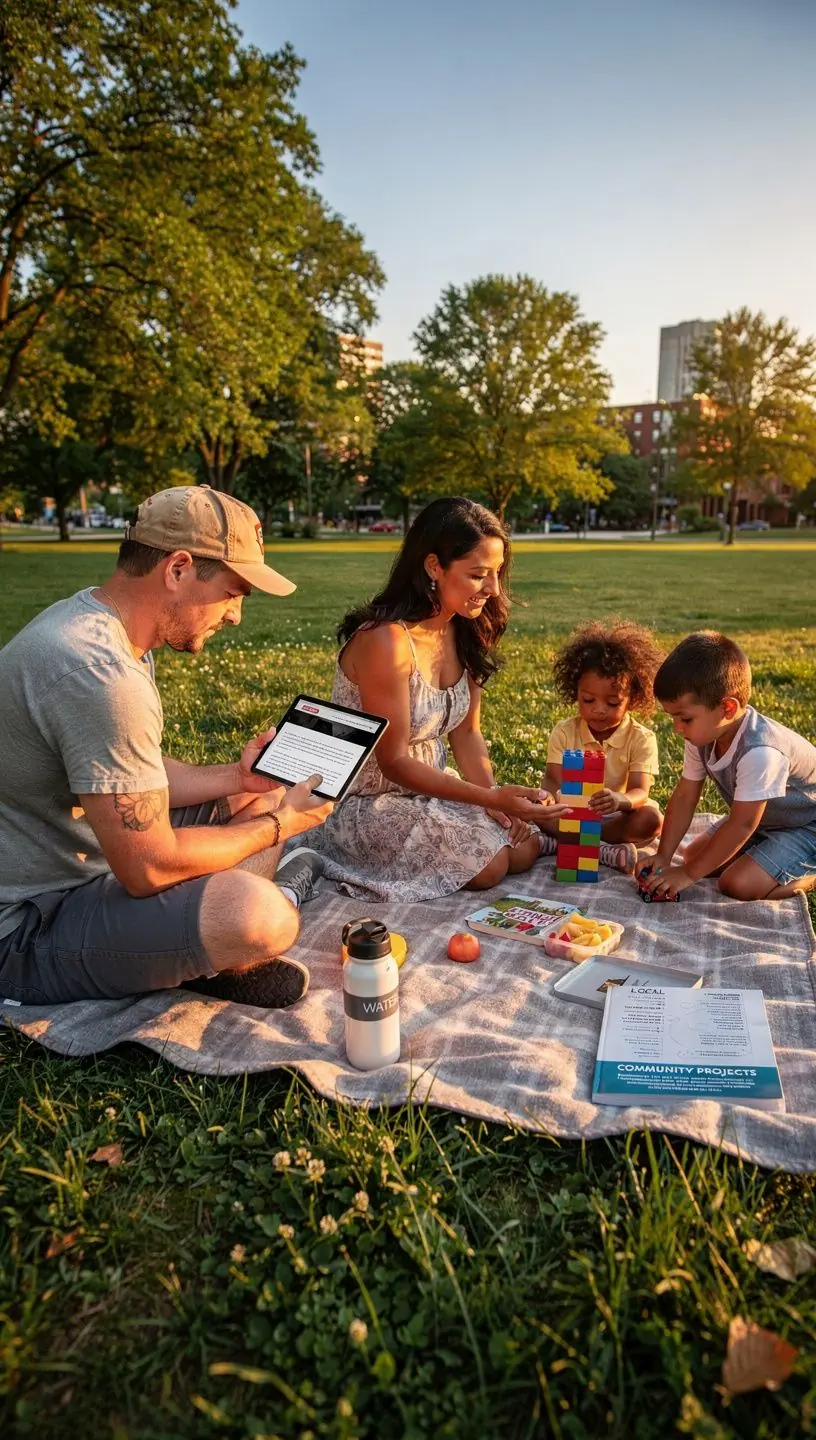
Public green spaces, such as parks and community gardens, are essential components of urban infrastructure. According to research, these areas not only enhance the aesthetic appeal of cities but also improve the quality of life for residents. Experts in urban planning often advocate for increasing green spaces as a way to address various local challenges.
"Green spaces are critical for promoting physical and mental well-being in urban populations." - Urban Planning Expert
Benefits of Public Green Spaces
Numerous studies indicate that the presence of public green spaces can lead to several beneficial outcomes:
- Improved Mental Health: Access to natural environments has been linked to reduced stress and anxiety levels. Research shows that spending time in nature may lower cortisol, a stress hormone.
- Increased Physical Activity: Parks provide a venue for exercise, encouraging walking, jogging, and recreational sports. Studies suggest that neighborhoods with ample green spaces often see higher rates of physical activity among residents.
- Enhanced Community Cohesion: Green spaces serve as gathering places, fostering social interactions and community engagement. Community gardens, for example, have been shown to strengthen neighborhood ties.
Environmental Benefits
In addition to social and health-related advantages, public green spaces contribute significantly to environmental sustainability:
- Air Quality Improvement: Urban vegetation filters pollutants and improves air quality, which is especially crucial in densely populated areas.
- Biodiversity Conservation: Green spaces provide habitats for various species, contributing to urban biodiversity and ecological health.
- Climate Regulation: Trees and plants help mitigate the urban heat island effect by providing shade and releasing moisture into the air, thereby cooling the environment.
Challenges to Creating and Maintaining Green Spaces
While the benefits of public green spaces are clear, several challenges can impede their development and maintenance:
- Funding Limitations: Many municipalities face budget constraints that limit the ability to create or maintain green areas. Securing funding from grants or public-private partnerships can help, but often requires significant effort.
- Land Use Conflicts: Urban development pressures can threaten existing green spaces, making it essential for communities to advocate for their preservation.
- Community Engagement: Successful green space initiatives often rely on active community involvement. Ensuring all voices are heard in planning processes can be challenging but is critical for success.
Conclusion
Public green spaces represent much more than just aesthetic additions to urban landscapes. They are multifaceted assets that can enhance community well-being, contribute to environmental health, and foster social connections. While challenges exist in their creation and maintenance, proactive measures and community involvement can lead to thriving green environments that benefit everyone.