Strategies for Promoting Local Art and Culture
Promoting local art and culture is essential for fostering community identity and enhancing economic development. This article explores effective strategies to elevate local artists and cultural heritage while creating a supportive environment for artistic expression.
Understanding the Importance of Local Art
According to research, local art enhances community engagement, boosts tourism, and increases property values. Many experts in community development emphasize that vibrant cultural scenes can draw visitors and residents alike, creating a sense of place and belonging.
"Local art is not just decoration; it's a reflection of community identity and pride." - Cultural Development Expert
Effective Strategies for Promotion
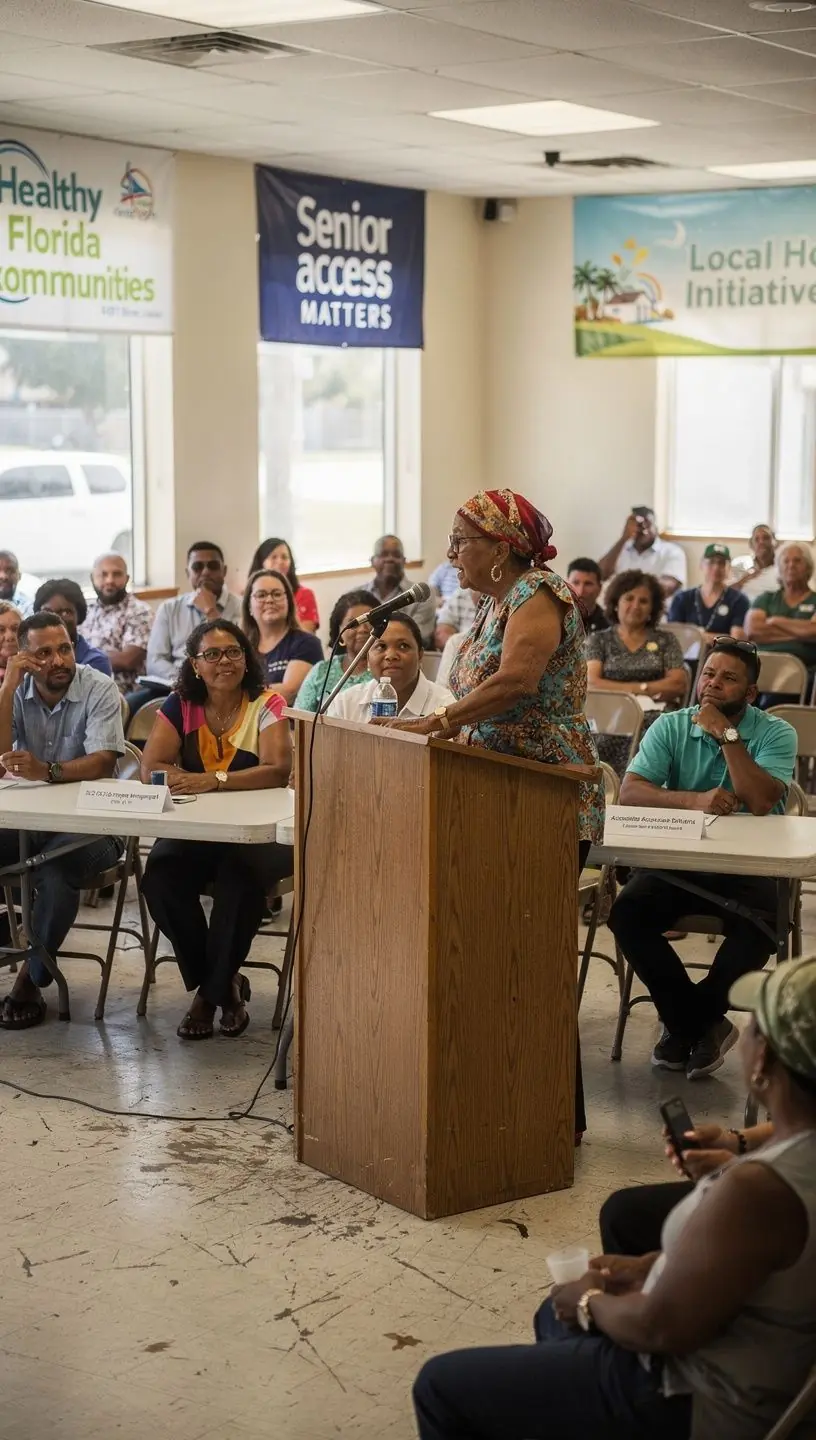
- Community Events: Organizing art fairs, exhibitions, and festivals can significantly raise awareness of local talent. Studies show that such events typically attract diverse audiences, fostering connections between artists and the community.
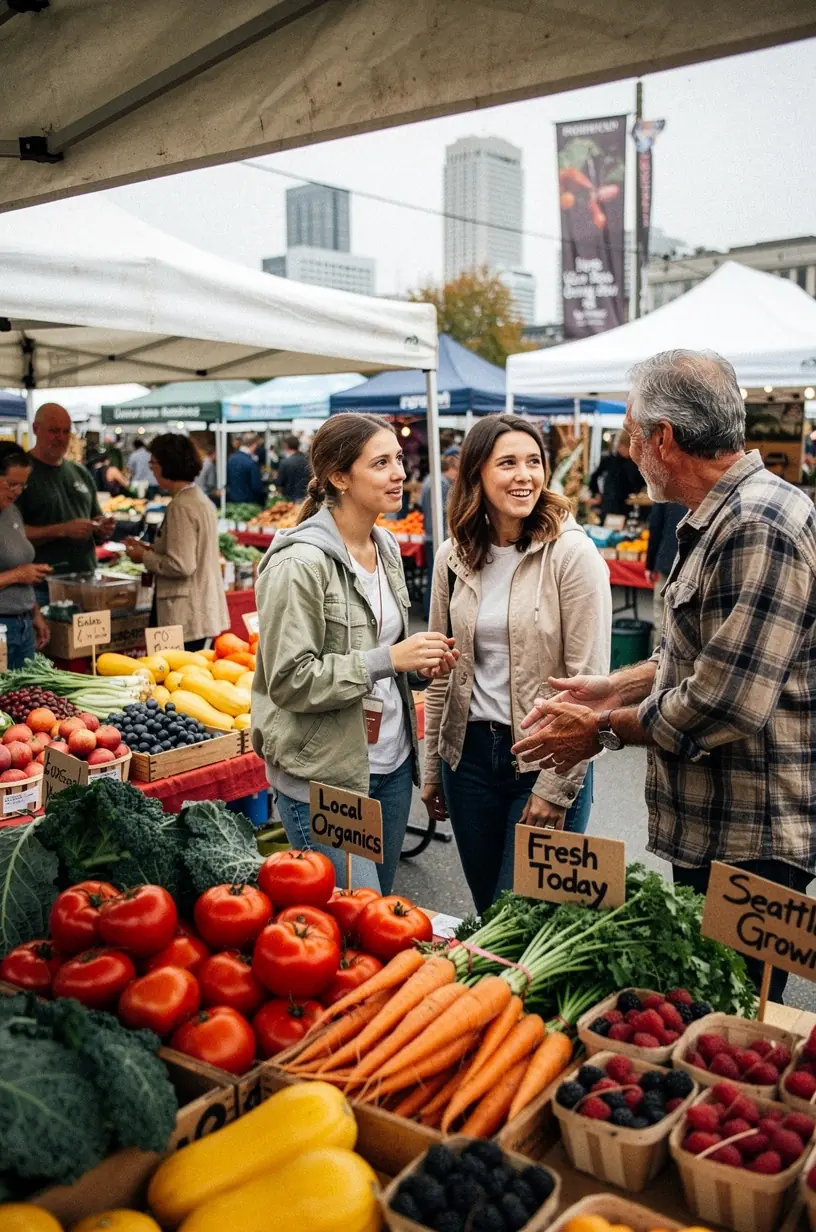
- Collaborations with Local Businesses: Partnering with cafes, bookstores, and galleries enables local artists to showcase their work. Research indicates that businesses that support local artists often enjoy increased foot traffic and customer loyalty.
- Online Platforms and Social Media: Building an online presence allows artists to reach broader audiences. Many users report that social media has been instrumental in promoting their work, leading to increased visibility and sales.
Building Supportive Community Networks
Creating a network of support for artists is crucial. This involves establishing connections between artists, patrons, and local organizations. Industry experts recommend forming artist collectives or associations that can provide resources, mentorship, and collaborative opportunities.
Leveraging Public Art Initiatives
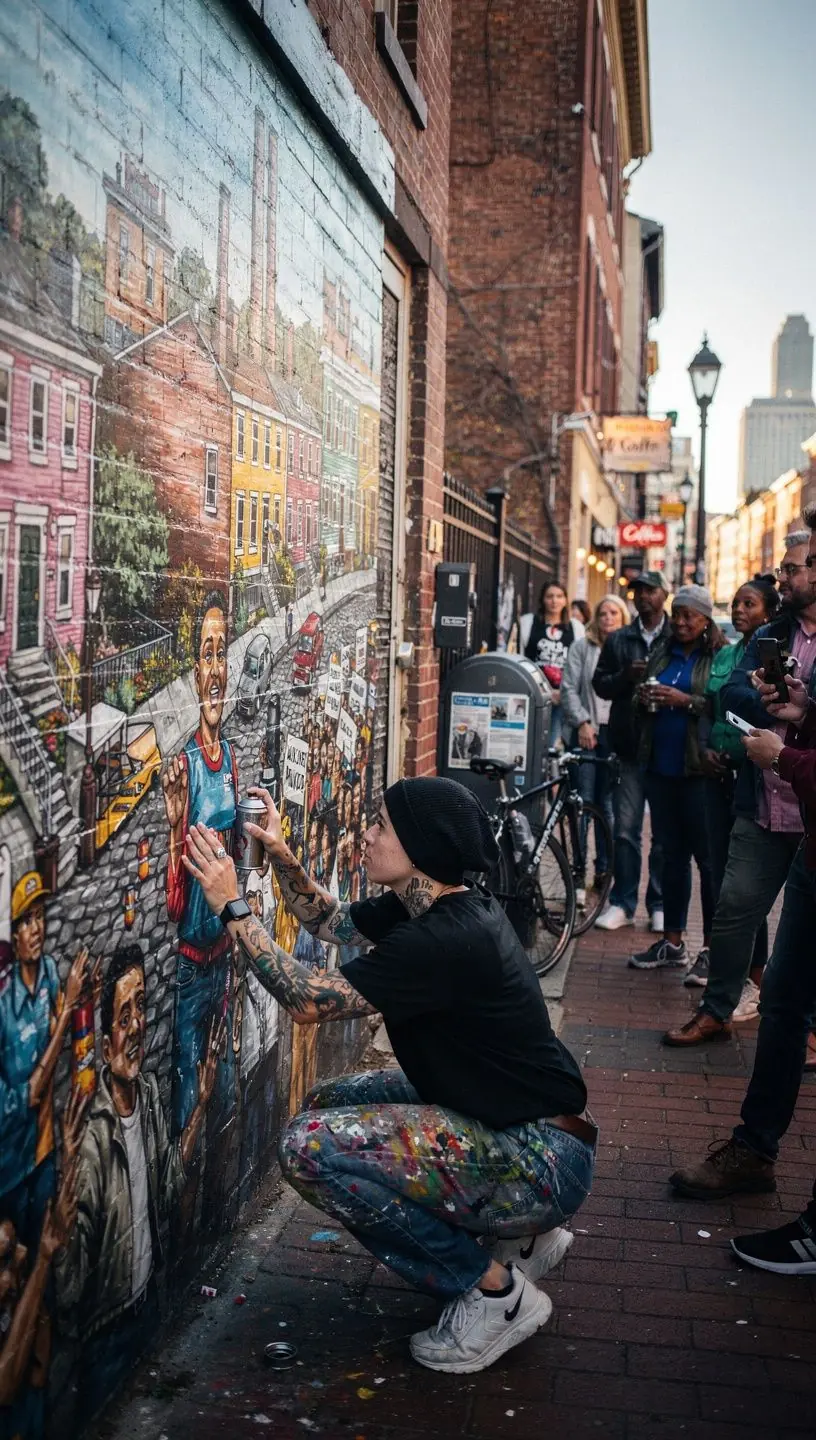
Implementing public art projects can enhance urban spaces and engage the community. Research from the National Endowment for the Arts indicates that public art not only beautifies spaces but also fosters civic pride. Communities can benefit from developing mural programs or art installations that reflect local culture.
Challenges and Considerations
While promoting local art is beneficial, it requires ongoing commitment. Typically, it involves a considerable investment of time and effort from both artists and promoters. Sustaining interest and participation can be challenging, particularly in areas with limited resources.
Conclusion
Promoting local art and culture is a multi-faceted endeavor that necessitates collaboration, creativity, and dedication. By implementing these strategies, communities can cultivate a rich artistic landscape that not only reflects their identity but also supports economic vitality.