How to Start a Community Garden Initiative
Community gardens can transform neighborhoods, enhance local food systems, and foster social connections. Here’s a practical guide to starting a community garden initiative in your area.
Understanding the Benefits of Community Gardens
Community gardens typically serve as a space for local residents to grow food together. According to a study by the American Community Gardening Association, these gardens can improve access to fresh produce and promote healthier eating habits in communities. They also offer educational opportunities and strengthen neighborhood ties.

"Community gardens not only provide food but also create spaces for cultural exchange and community bonding."
Steps to Initiate a Community Garden
Starting a community garden involves several steps that require dedication and collaboration. Here’s a practical roadmap to guide you:
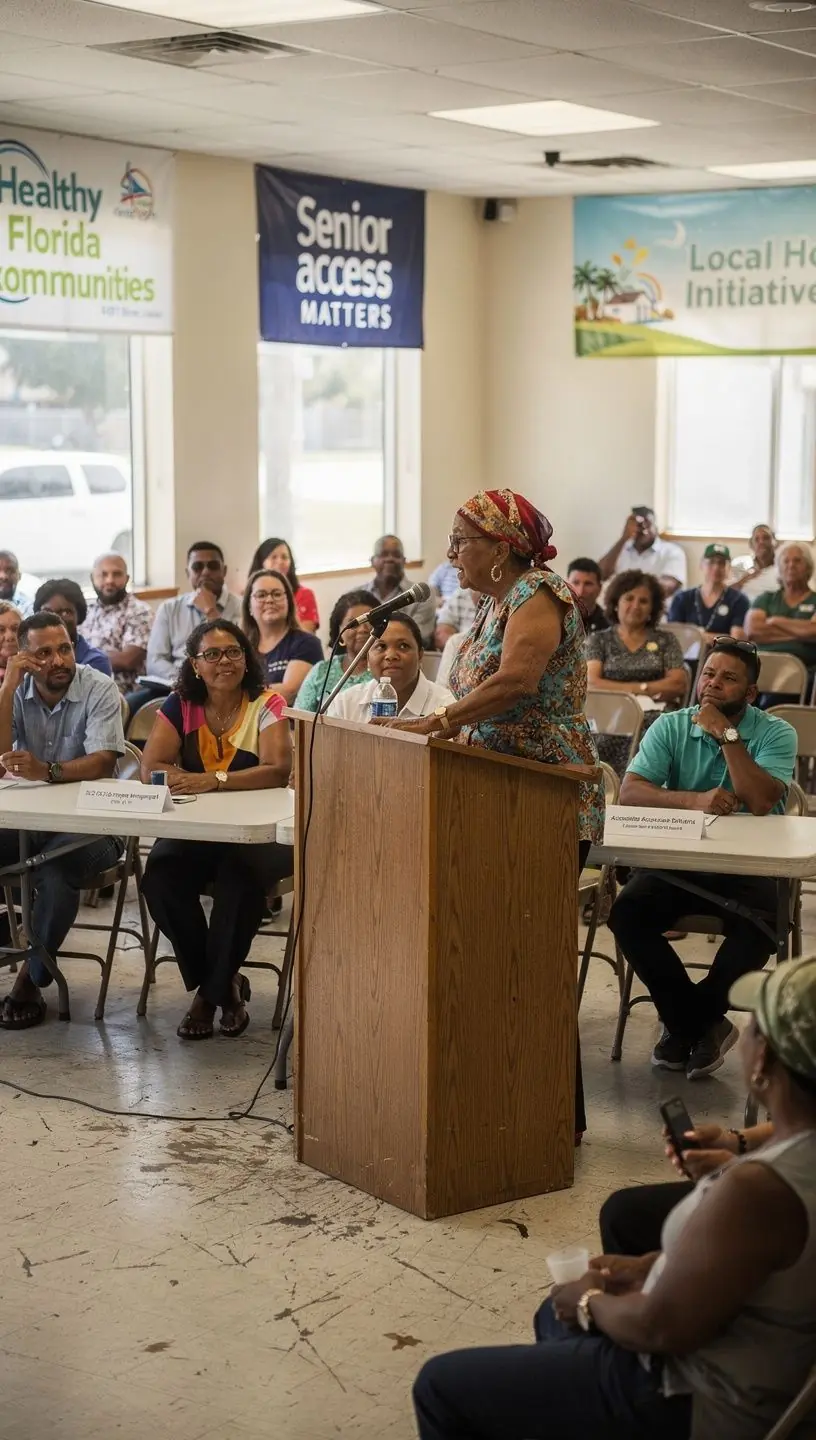
- Gather Support: Start by engaging with your neighbors and local organizations. You can conduct surveys or hold informal meetings to gauge interest. Research indicates that having a core group of committed individuals can significantly enhance the chances of success.
- Identify a Suitable Location: Look for available land that is accessible and suitable for gardening. This might include vacant lots, park land, or even unused spaces in schools. According to community planning experts, it’s essential to ensure that the soil is tested for contaminants and that the area has adequate sunlight.
- Develop a Garden Plan: Collaboratively create a garden layout and decide what crops to plant. Industry best practices suggest that involving a diverse group of participants can lead to a well-rounded approach to planning and maintenance. Incorporating native plants can also help to sustain the local ecosystem.
- Establish Rules and Responsibilities: Setting clear guidelines helps maintain order and ensures that everyone is on the same page. This might include agreements on what crops can be planted, how to share the harvest, and how to maintain the garden. Experts recommend having regular meetings to reinforce these agreements and address any issues that arise.
- Secure Funding: Look for grants, local sponsorships, or fundraising opportunities to support your garden. Many community gardens receive funding from local governments or nonprofit organizations that recognize the health and community benefits of such initiatives.
- Start Planting: Once your garden is planned and funded, you can begin planting. Many community gardens report that planting in spring can yield productive harvests by late summer, although timing may vary based on your local climate.
Challenges to Anticipate
While community gardens provide numerous benefits, they may also present challenges. Common issues include:
- Time Commitment: Regular maintenance typically requires ongoing effort from all participants, which may be difficult to sustain.
- Water Access: Ensuring that the garden has adequate water supply can sometimes pose logistical challenges, especially in drier areas.
- Conflict Resolution: Disagreements among participants can arise. Developing clear communication channels and having a conflict resolution plan can help mitigate these issues.
Conclusion
Starting a community garden initiative can be a rewarding endeavor that brings many benefits to neighborhoods. By understanding the process and preparing for potential challenges, individuals can contribute to fostering healthier, more connected communities. The key is to approach the task realistically, acknowledging the effort required while remaining focused on the positive outcomes.