Building Resilience Against Natural Disasters
Natural disasters can strike unexpectedly, leading to significant damage and disruption. In the United States, many communities are increasingly recognizing the importance of resilience. This article explores practical strategies for building resilience against natural disasters, emphasizing evidence-based approaches and expert recommendations.
Understanding the Basics of Resilience
Resilience refers to the ability of individuals and communities to effectively respond to and recover from adverse events. According to research from the National Institute of Standards and Technology (NIST), resilient communities typically exhibit strong social networks, effective communication systems, and proactive planning measures. These factors contribute to minimizing both immediate impacts and long-term recovery challenges.

"Resilience is not just about bouncing back; it’s about bouncing forward and improving systems for future challenges."
Key Strategies for Building Resilience
Implementing effective strategies can significantly enhance community resilience. Below are several evidence-based practices that communities can adopt:
- Develop a Comprehensive Emergency Plan: Many experts recommend creating a detailed emergency plan that includes evacuation routes, communication strategies, and resource allocations. Research indicates that communities with well-defined plans are often better prepared for natural disasters.
- Invest in Infrastructure Improvements: Upgrading public infrastructure to withstand natural disasters can be a proactive measure. For instance, elevating buildings in flood-prone areas has been shown to reduce damage effectively. According to FEMA, communities investing in such resilience measures can see reduced recovery costs in the long run.
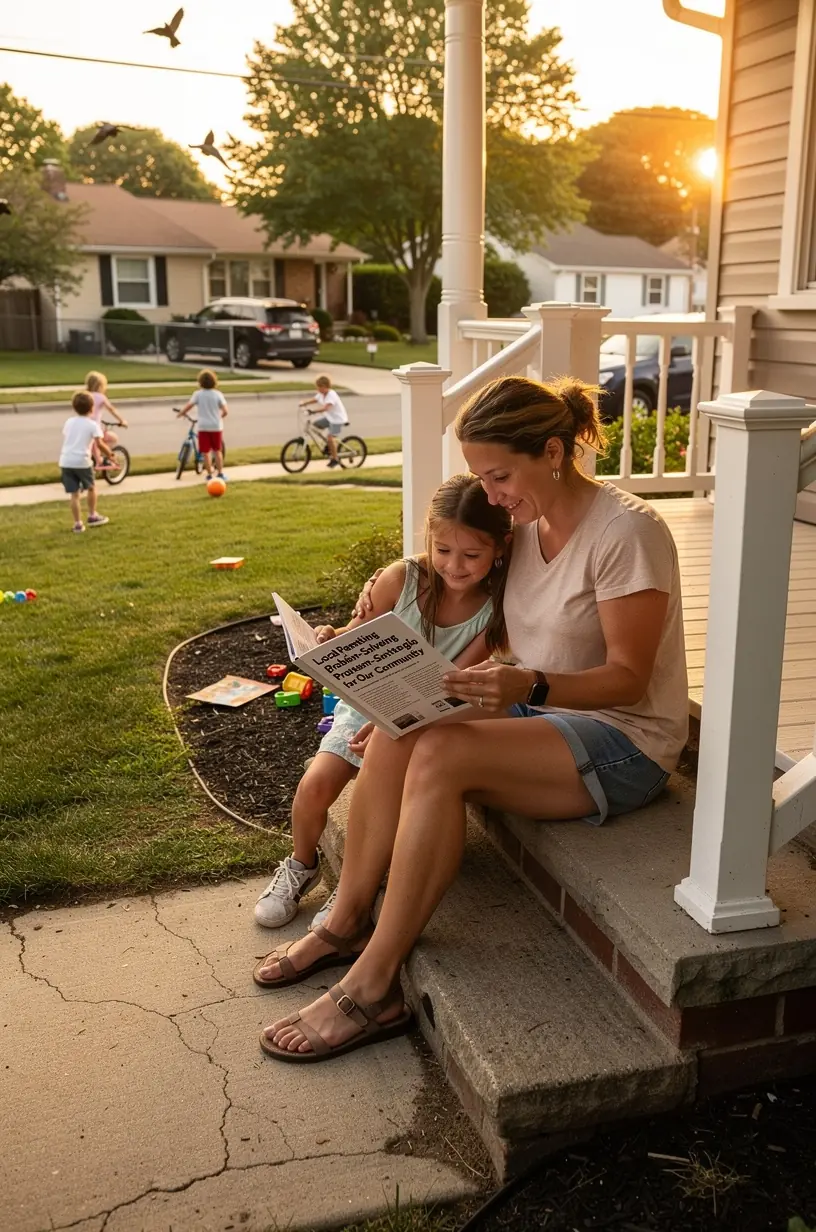
- Foster Community Engagement: Building strong community relationships enhances overall resilience. Engaging the community through disaster preparedness programs has shown positive outcomes, as people are more likely to support one another during crises when they share connections.
Understanding Limitations and Realistic Expectations
While resilience-building measures can be beneficial, it is essential to acknowledge that these strategies often require time and effort. For instance, developing a comprehensive emergency plan typically takes several weeks of collaboration among community members and local authorities. Furthermore, investing in infrastructure improvements may require substantial financial resources, which can be a barrier for some communities.
It’s important to remember that results may not be immediate. According to experts, communities that proactively build resilience can expect to see improvements in preparedness over a period of 1-3 years. However, the process is ongoing and should adapt to changing risks and community needs.
Real-Life Examples of Resilience in Action
Several communities across the United States have made strides in building resilience against natural disasters:
- New Orleans: Following Hurricane Katrina, New Orleans implemented a range of resilience initiatives, including improved flood defenses and community engagement programs. These efforts illustrate how proactive planning can lead to enhanced safety and recovery.
- San Francisco: The city has invested in retrofitting older buildings to withstand seismic activity. Research shows that such investments can significantly reduce damage and improve recovery times after an earthquake.
Conclusion
Building resilience against natural disasters is a multifaceted effort that requires collaboration, planning, and community engagement. By understanding the principles of resilience and implementing evidence-based strategies, communities can protect themselves from future disasters and enhance their capacity to recover. As experts continue to study and refine best practices, the importance of proactive measures in disaster preparedness will only grow.
Learn More