Understanding the Impact of Gentrification
Gentrification is a complex process that can reshape urban landscapes, often leading to both revitalization and displacement. Understanding its implications is essential for community members and local policymakers alike.
What is Gentrification?
Gentrification typically refers to the transformation of neighborhoods through an influx of more affluent residents, resulting in changes to housing, culture, and local businesses. According to a report by the American Planning Association, gentrification can lead to improved amenities and increased property values in the short term.

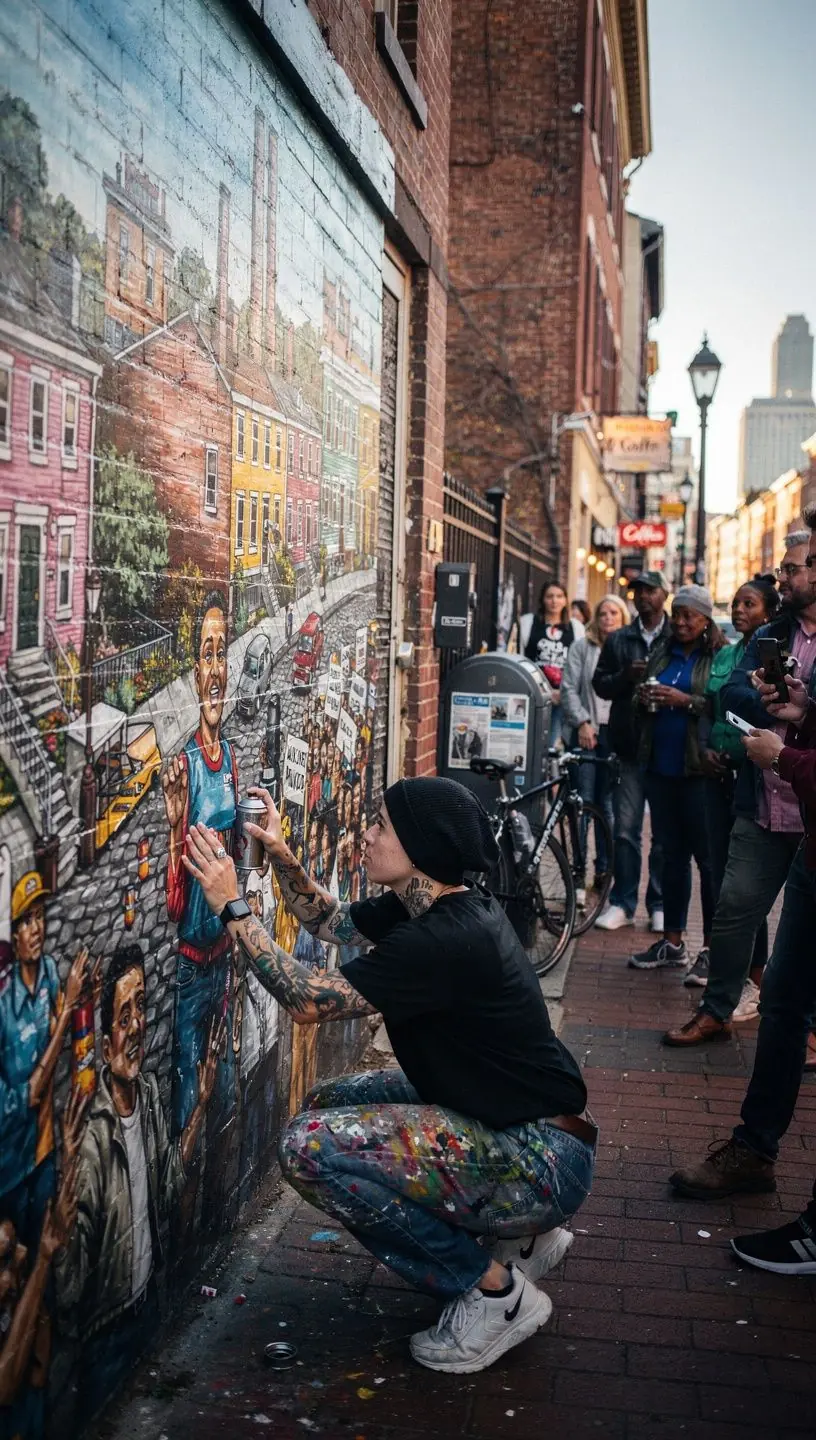
"Gentrification is not just about economic change; it's about social and cultural shifts that can redefine community identity." — Urban Studies Expert
The Positive Aspects of Gentrification
In many instances, gentrification can bring several benefits to neighborhoods:
- Infrastructure Improvement: Renovations often include upgrades to public transportation, parks, and community facilities, enhancing overall quality of life.
- Economic Growth: New businesses can flourish in gentrifying areas, providing jobs and increasing tax revenues, which can support local schools and services.
- Reduced Crime Rates: Research indicates that gentrifying neighborhoods often experience a drop in crime, attributed to increased community engagement and investment.
The Challenges of Gentrification
While there are potential benefits, gentrification also poses significant challenges:
- Displacement of Long-Term Residents: As property values rise, long-term residents may find themselves unable to afford rising rents, leading to community fragmentation.
- Cultural Erosion: The influx of new residents can dilute the cultural identity of long-standing communities, which may lead to tensions and conflicts.
- Economic Inequality: Gentrification can exacerbate economic divides, as wealthier newcomers may not engage with or support existing community networks.
Strategies for Managing Gentrification
To mitigate the adverse effects of gentrification, community stakeholders can consider several strategies:
- Implementing Affordability Measures: Policies such as rent control or inclusionary zoning can help maintain affordable housing options for existing residents.
- Community Land Trusts: Establishing community-controlled land trusts can help ensure that housing remains affordable and accessible to all income levels.
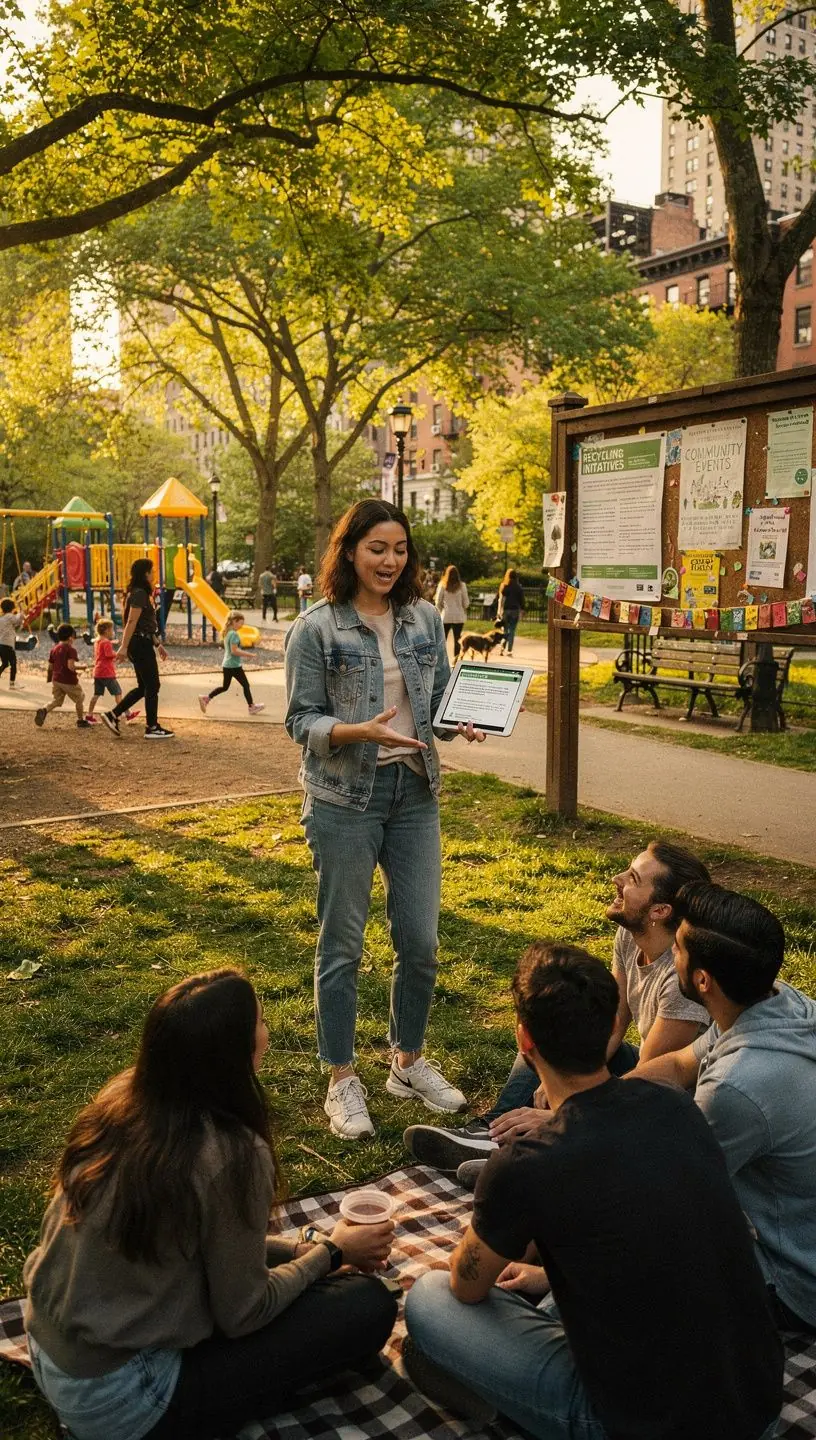
- Engaging Local Voices: It is crucial to involve long-term residents in the planning process to ensure that their needs and concerns are addressed effectively.
Conclusion
Understanding the impact of gentrification is vital for creating inclusive and equitable urban environments. While it can lead to revitalization, it is essential to acknowledge the challenges it brings. By focusing on community engagement and affordability, cities can work towards a balanced approach that fosters both growth and inclusivity.
Learn More